
Study 01 / The knowledge hub
Everything you will ever need to know about onions, from the people who know them best. Three generations of growing, storing, grading and packing, distilled into one page: what an onion is made of, how it is grown, where the best ones come from, and what we reject so you never see it.
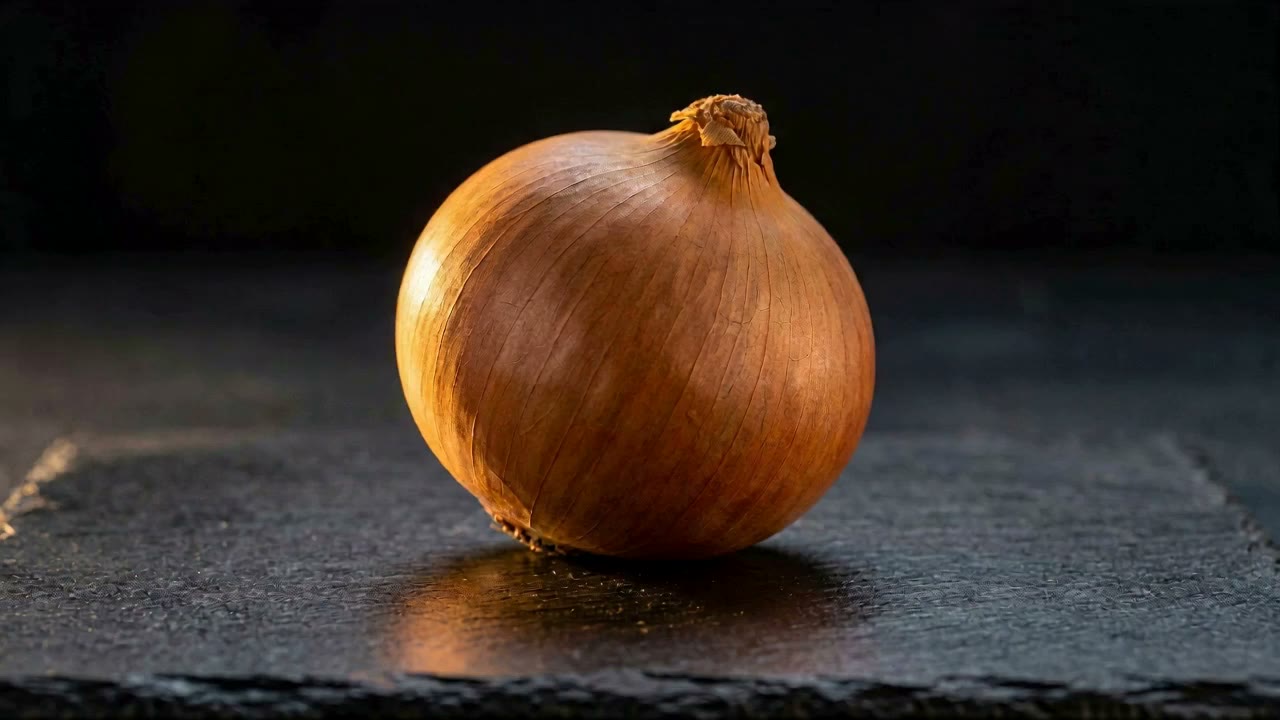
ANATOMY 01 / THE SKIN
The papery jacket
The dry outer skin is grown in the field and set by curing after harvest. It is the bulb's armour: it locks in moisture, keeps disease out, and its colour and shine are the first thing a buyer judges.
Anatomy / Terminology
Every part has a name. Once you know them, everything else on this page makes sense. Explore the specimen.
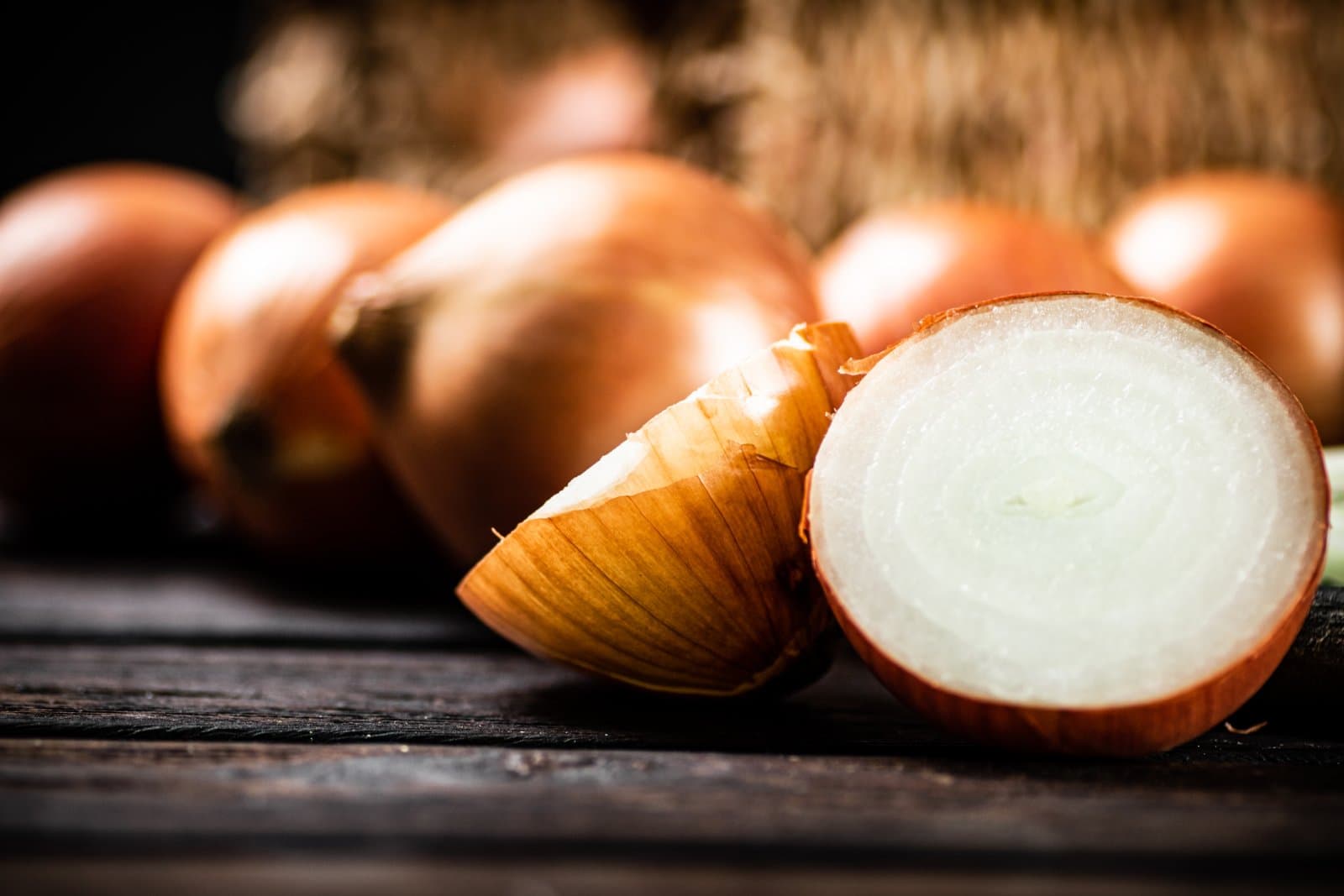
Hover or tap the gold markers to explore the parts of the onion.
How they are grown
There are two growing methods for onion production. Each has its place in a year-round programme.
METHOD 01
Onion sets
Very small onions, called sets, are planted in either autumn or spring. They start the season with a growth head start, so they can be harvested earlier, and they are stronger plants at emergence, giving better resistance to wind damage and pests.
METHOD 02
Onion seed
Drilling onion seed in the spring gives a September harvest. These become the long-storage crops that carry through until mid July the following year. Seed onions tend to have slightly better shape uniformity and excellent storage.
Field to shelf
Eleven stages between the field and your kitchen. What happens, and when.
STEP 01
Planting
Sets go in during autumn or spring; seed is drilled in spring.
STEP 02
Growing
The crop develops through the season in the field.
STEP 03
Topping
The green tops are removed in the field ahead of lifting.
STEP 04
Windrowing
Bulbs are lifted and laid in rows to dry in the field.
STEP 05
Harvest
The crop is picked up and carted in from the field.
STEP 06
Curing
Warm airflow dries the necks and sets the protective outer skin.
STEP 07
Storage
Ambient, cold store or controlled atmosphere, depending on how long the crop must keep.
STEP 08
Acclimatisation
Bulbs are brought gently back to ambient temperature before grading.
STEP 09
Grading
Every bulb is sized and inspected; anything below standard is rejected.
STEP 10
Packing
Graded onions are packed to each customer's specification.
STEP 11
Distribution
Out of the packhouse and on to shelves nationwide.
The season
Overwintered, set and drilled crops overlap so British onions are on shelf all year round, with only a short import bridge in early summer. Hover a month to see what is happening.
Geography
East Anglia is the predominant onion growing area in the UK. The climate is warmer than further north, the soil type is right, and the day length suits the crop.
Soil types
Silt or sand
Onions are mainly grown on silt or sandy soils. The fertile Lincolnshire silts give the early crops a good head start and need little or no irrigation, but they can suffer from staining. The sandy soils of Norfolk and Suffolk need a lot of irrigation, but stain less. Knowing both, and matching field to programme, is part of the craft.
The grading standard
Every bulb through our packhouse is inspected against these ten defects. Here is what we look for, and why it happens.
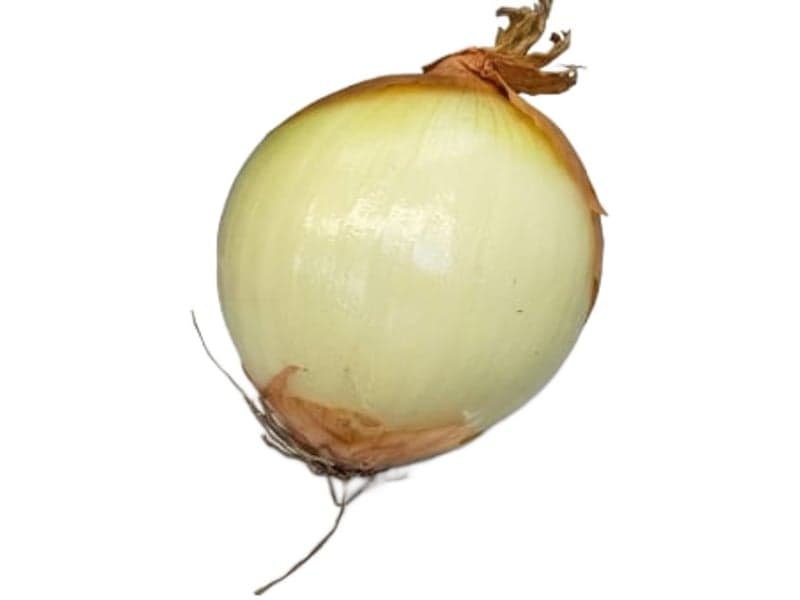
DEFECT 01
Skinning
Caused by the loss of too many outer skins during the life of the onion. This could be due to a late harvest, or over curing or acclimatisation in store.
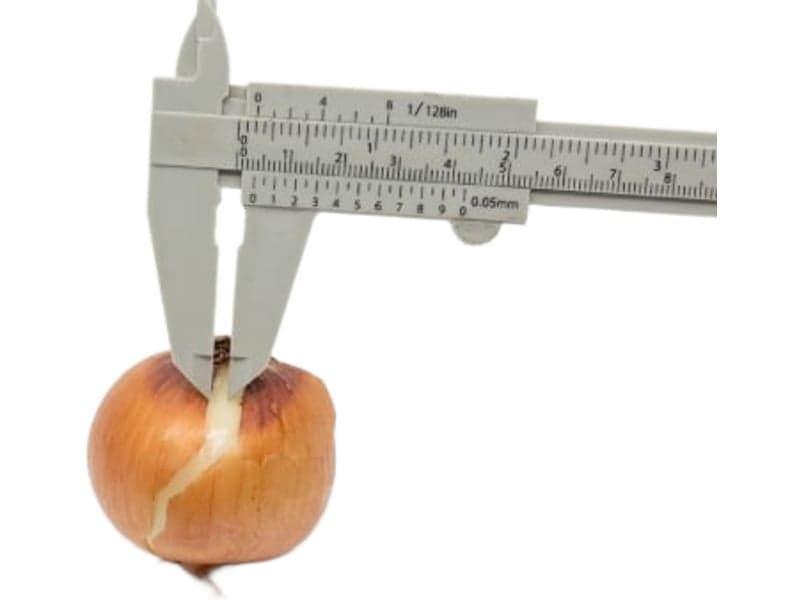
DEFECT 02
Skin cracking
A lesser degree of skinning, where the outer skin has started to crack and expose the flesh of the bulb.
DEFECT 03
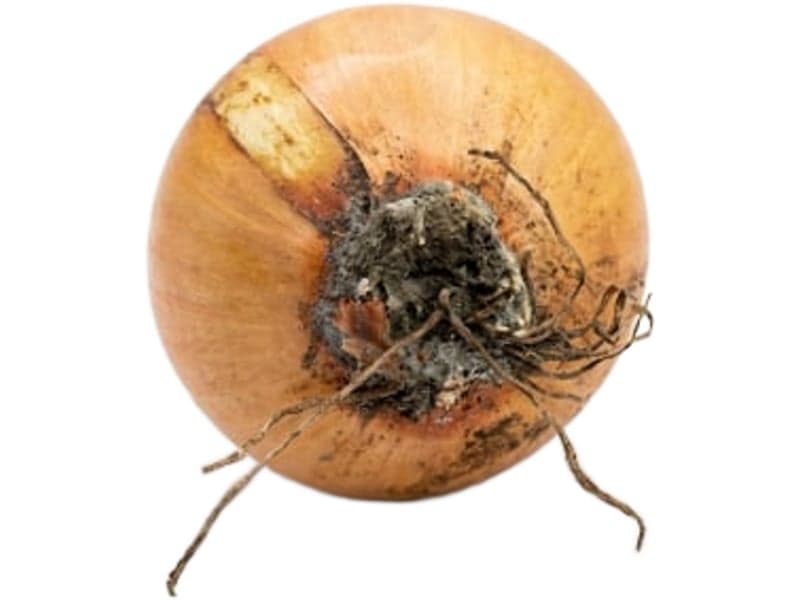
Base rot
Fungal disease has attacked the bulb from the base, causing internal breakdown. It is not usually visible from the exterior unless the bulb has completely rotted.
FIG. 04 / NECK
DEFECT 04
Neck rot
Disease has entered the bulb from the neck, often at the point of harvest once the bulbs have been topped in the field. It may only be visible as a slightly wet neck.
DEFECT 05
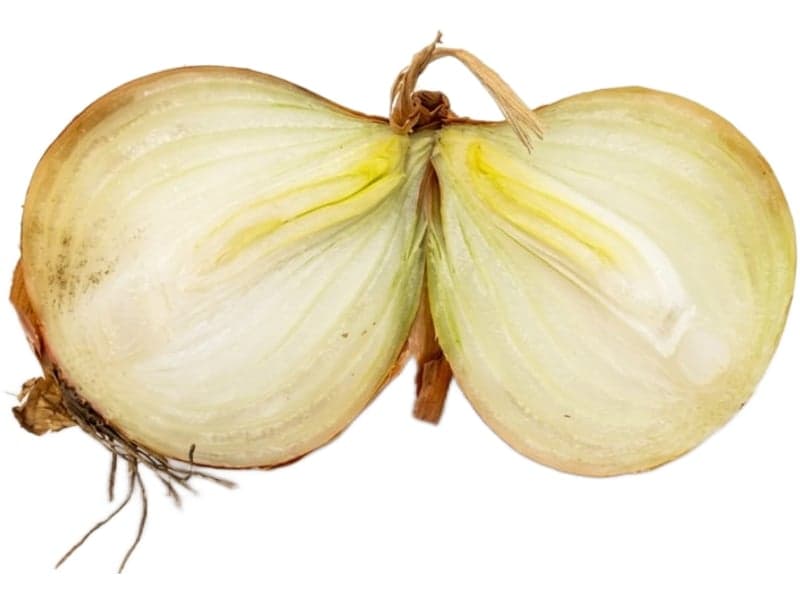
Internal growth
The bulb is trying to regrow, so a green shoot emerges inside the bulb, eventually pushing out of the neck. This generally happens towards the end of the season.
DEFECT 06
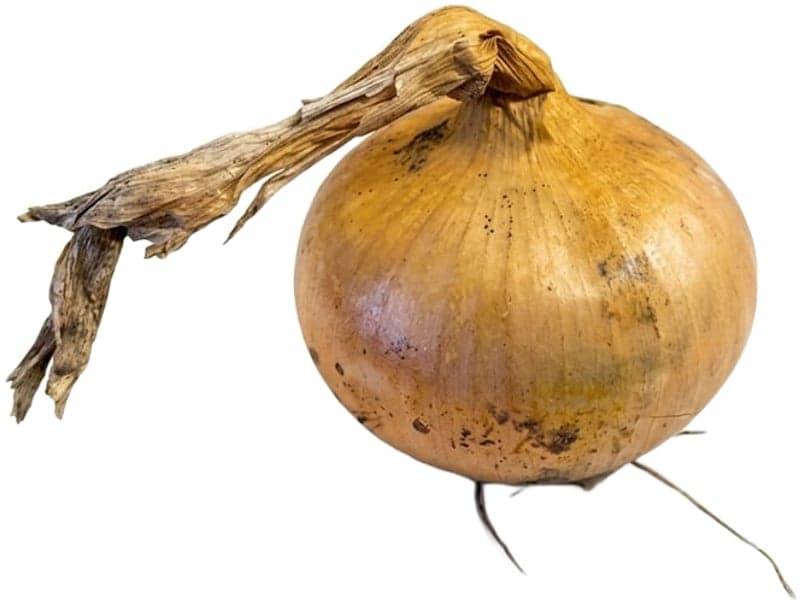
White root
Similar to internal growth: the bulb is trying to put down roots to regrow. Warm, moist conditions accelerate it, so good ventilation is key, in store or in a pack.
DEFECT 07
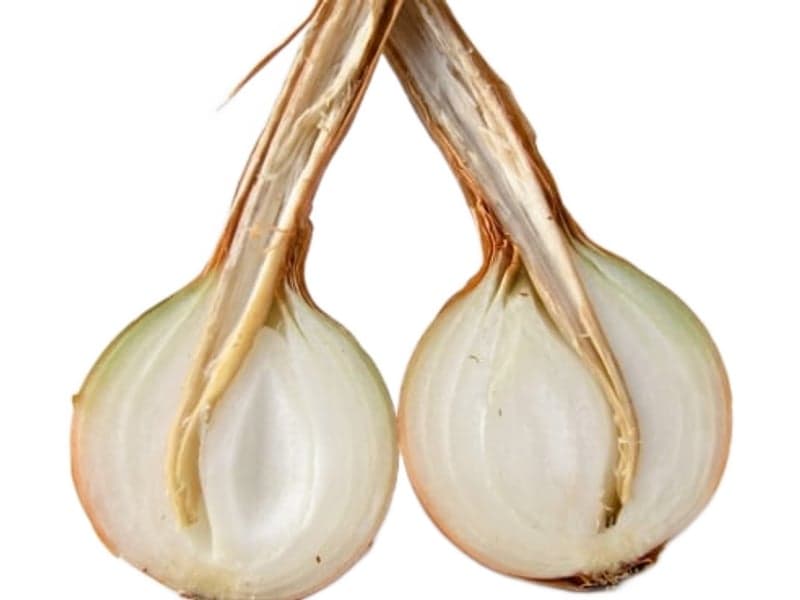
Thick neck, or bolter
A bolter is a bulb that starts to grow a flower head in the field, caused by stress, often an unusual cold snap during the growing cycle.
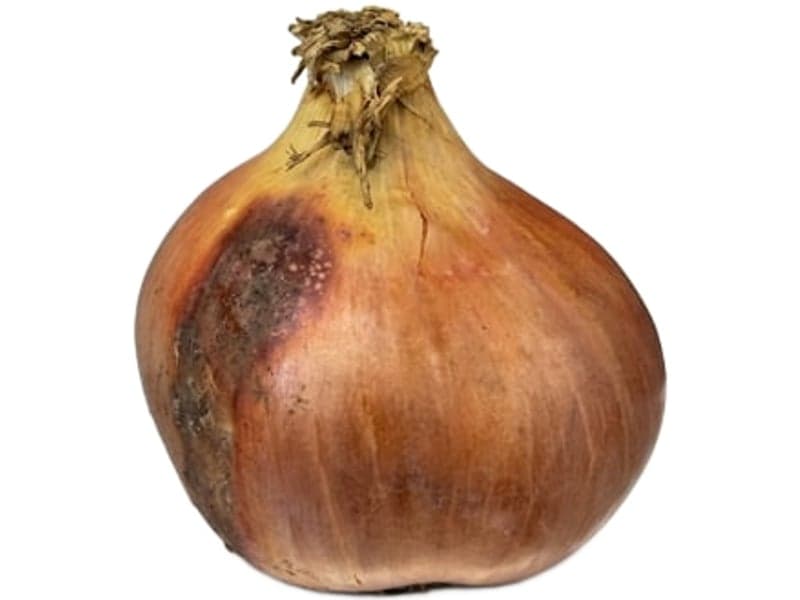
DEFECT 08
Poor sizing
An onion or garlic should always be measured across its equator using sizing rings. Some bulbs are slightly misshaped, which can throw the measurement if using calipers.
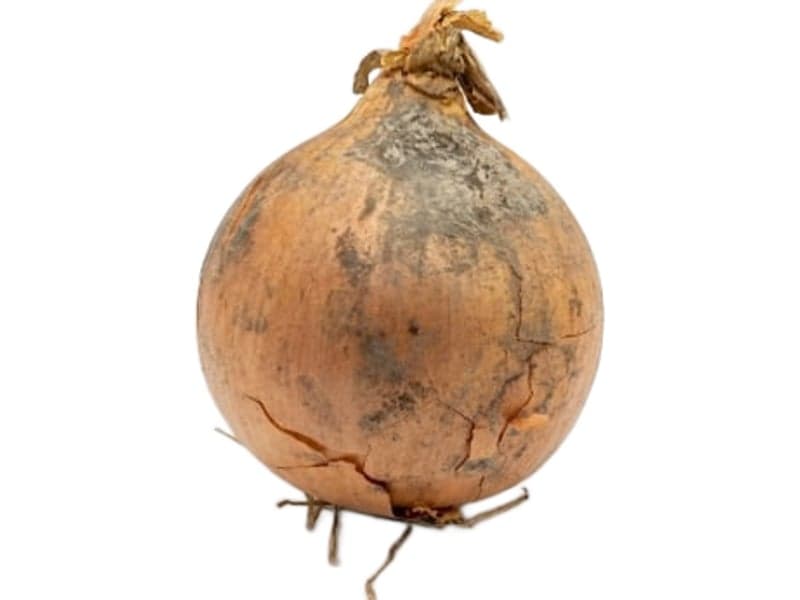
DEFECT 09
Staining
Discoloured outer skin, caused in the field by wet conditions at harvest and rain splashing soil onto the bulbs, or by moisture in storage and subsequent exposure to dust.
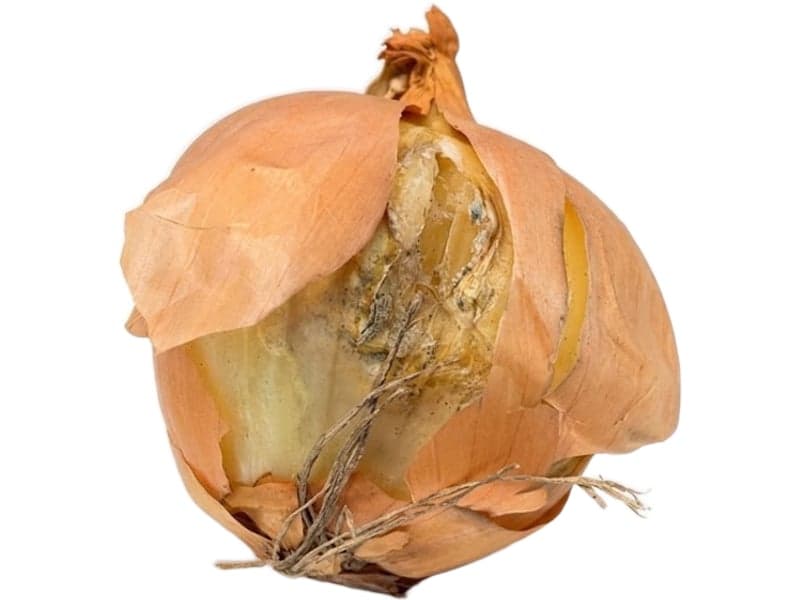
DEFECT 10
Damage
Two categories: field damage from harvesting equipment, which generally heals in storage, and fresh damage caused during grading or packing.
In the kitchen
Onions and garlic have been prized in kitchens and cultures for thousands of years, from ancient Egypt to every modern cuisine.
Onions contain prebiotic fibres and are naturally low in fat. Garlic contains allicin, the compound behind its distinctive aroma. Mostly, though, they simply make food taste better, which is why almost every savoury dish on earth starts with one or the other.
FAQ
How are onions grown in the UK?
Two ways. Sets, which are very small onions, are planted in autumn or spring and harvested earlier because they start with a growth head start. Onion seed is drilled in spring for a September harvest, and those crops store longest, with slightly better shape uniformity.
Are British onions available all year round?
Almost. Overwintered, set and drilled crops overlap so British onions are on shelf through most of the year, with only a short import bridge in early summer. Cold-stored drilled crop carries from December through to around May, and the set crop covers late summer and autumn.
What are the stages between field and shelf?
Eleven: planting, growing, topping, windrowing, harvest, curing, storage, acclimatisation, grading, packing and distribution. Curing is the step that matters most for shelf life, because warm airflow dries the necks and sets the protective outer skin.
Where are onions grown in the UK, and on what soil?
East Anglia is the predominant onion growing area, because the climate is warmer than further north, the soil suits the crop and the day length works. Onions are grown mainly on silt or sandy soils. Lincolnshire silts give early crops a head start and need little or no irrigation but can stain; the sandy soils of Norfolk and Suffolk need much more irrigation but stain less.
What are the ten onion grading defects?
Skinning, skin cracking, base rot, neck rot, internal growth, white root, thick neck or bolter, poor sizing, staining and damage. Every bulb through the Moulton packhouse is inspected against all ten.
What is a bolter onion?
A bolter is a bulb that starts to grow a flower head in the field, producing a thick neck. It is caused by stress during the growing cycle, most often an unusual cold snap.
How should an onion be sized?
Across its equator, using sizing rings rather than calipers. Some bulbs are slightly misshapen, which throws a caliper measurement.
Keep going
Now meet the produce.